

The menopause transition is a biological transition that every woman experiences, yet it often comes with a mix of emotions and challenges. Understanding your own menopause journey can feel overwhelming, especially as you navigate the varying stages of perimenopause, menopause, and the postmenopausal stage. Nonetheless, one of the most empowering steps you can take is to discover your menopause tribe—an essential support network of women who share similar experiences and can offer encouragement, advice, and camaraderie.
In this guide, we will explore the many facets of menopause , from common symptoms and fluctuating hormones to the wide range of treatment options available. Whether you are considering hormone replacement therapy, investigating non-hormonal treatments, or seeking lifestyle changes to handle symptoms, knowing you are not alone on this journey can make a significant difference. Let's delve into the resources, strategies, and connections that will help you accept this transition with confidence and strength.
Comprehending The Menopausal Transition: Stages and Signs
The Menopausal Process is a biological phenomenon that marks the conclusion of a woman's reproductive life, usually happening in the late forties to early fifties. It can be categorized into three distinct stages: perimenopause, the menopausal phase, and the postmenopausal phase. The perimenopausal phase is the intermediary period before menopause, characterized by gradual hormonal fluctuations and unpredictable menstrual periods. This stage may continue several years, and typically starts in a female's 30s or forties, with different accounts of symptoms.
The menopausal phase is officially reached when a female has not had a menstrual for a full months. During this period, estrogen hormone and progesterone concentrations drop significantly, leading to common signs such as heat waves, night sweats, emotional fluctuations, and sleep issues. Recognizing these signs is crucial for women, as they can vary widely in intensity and length. Some may experience just mild discomfort, while some women might experience their daily day-to-day activities greatly affected.
Postmenopause follows the menopausal phase and continues for the rest of a woman's life. During this phase, the nonexistence of monthly periods is lifelong, and many signs may start to subside. Nonetheless, females may still to face concerns related to hormonal changes, such as bone strength loss and alterations in heart health. Identifying the stages of the menopausal process and related symptoms is crucial for females to seek appropriate support and treatment strategies throughout this significant life transition.
Treatment Options: Hormonal and Non-Hormonal Approaches
Hormonal therapies have long been considered a cornerstone in managing menopause symptoms . HRT, or HRT, can greatly reduce discomfort by managing hormonal changes that occur during menopause. General estrogen is often used to treat hot flashes and night sweats, while progestin plays a important role in protecting the uterine lining. However, HRT is not suitable for everyone, and it is essential to speak with a healthcare provider to make informed decisions regarding eligibility, advantages, and possible disadvantages.
For those hesitant of hormonal treatments, there are effective non-hormonal options available. Prescription medications like selective serotonin reuptake inhibitors and antiepileptics have shown effectiveness in managing vasomotor issues, such as flushing and mood swings. Non-hormonal treatments like fezolinetant target the underlying mechanisms of these symptoms without interfering with hormonal balance. Local vaginal estrogen may be suggested for combating genitourinary syndrome of menopause (GSM), which helps improve vaginal health and alleviate dryness.
Adjustments in lifestyle can also play a key role in symptom management. Dietary adjustments, such as adopting a Mediterranean diet and incorporating phytoestrogens, can support overall health and hormone balance. Additionally, engaging in resistance training and weight lifting not only helps preserve lean muscle mass but also benefits bone density. Practicing mindfulness techniques, alongside using apps to monitor symptoms, allows women to take charge of their menopausal experience and discover effective relief methods.
Lifestyle and Wellness: Managing Menopause Effectively
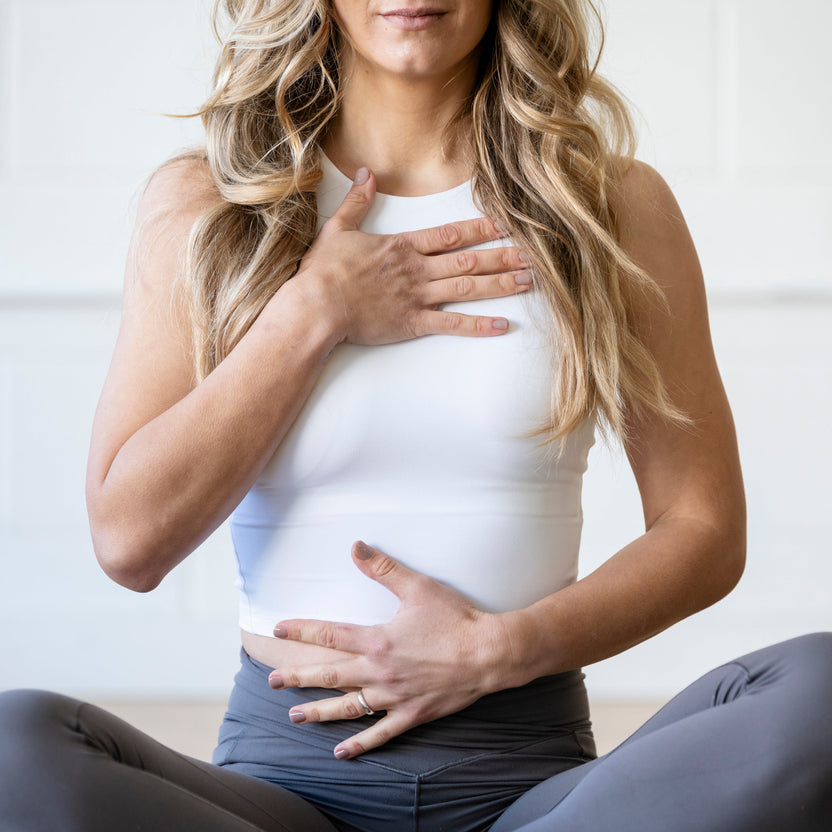
Utilizing a comprehensive approach to wellness during menopause can greatly enhance comfort and general quality of life. Intentional dietary modifications, like including a Mediterranean diet loaded in phytoestrogen-rich foods, can help reduce symptoms and maintain hormonal balance. Consistent physical activity, particularly strength training and resistance workouts, is important for enhancing lean muscle mass and supporting metabolism. Alongside these, understanding the effects of alcohol, caffeine, and spicy foods can empower women to recognize and eliminate their individual symptom triggers, leading to a more tailored experience during this transformative phase.
Emotional well-being plays a key role during menopause, often influenced by mood swings and anxiety. Utilizing cognitive behavioral therapy and mindfulness techniques can help manage these emotional fluctuations. Engaging in stress reduction practices, such as yoga or meditation, fosters resilience during hormonal shifts. Establishing a supportive network, including peers, family, or a menopause tribe, can offer emotional support and practical advice, establishing a shared journey that emphasizes the idea that no one has to face menopause alone.
Finally, being proactive with healthcare is important for addressing menopause effectively. Collaborating with a certified menopause specialist can provide tailored guidance on treatments such as hormone replacement therapy and non-hormonal prescription options. Monitoring symptoms using tools and apps prepares women for meaningful healthcare visits, ensuring that they receive the support they need to thrive. Embracing this lifestyle approach not only encourages resilience but opens the door to long-term vitality and healthy aging beyond menopause.