

As women enter the transformative period of menopausal changes, it is important to acknowledge that this path does not have to be faced alone. Support systems, whether through friends, family, medical professionals, or community organizations, serve a vital role in navigating the challenges of menopause and perimenopause. Understanding the stages of this transition, along with the symptoms that come with hormonal fluctuations, empowers women to find the help they need and welcome this fresh chapter of life with confidence.
In this guide, we investigate a wide-ranging array of support strategies crafted for women dealing with menopause. Starting with identifying common symptoms like hot flashes and mood swings to discussing hormone replacement therapy and lifestyle adjustments, we present practical solutions and resources. By encouraging open communication and education around menopause, we can clarify the experience and build a supportive community for those on this journey, making sure that women thrive together through this significant life change.
Understanding The Menopause Stages and Symptoms
Menopause is a natural event that indicates the end of a woman's reproductive years, generally occurring in their final forties to early fifties. The transition to menopause begins with perimenopause , a phase characterized by hormonal fluctuations that can last multiple years. In this time, women may undergo irregular menstrual cycles, emotional swings, and various bodily symptoms as estrogen levels start to decrease. Understanding this stage is crucial for navigating the shift with ease.
As women move forward to the menopause, defined as the lack of period periods for twelve continuous months, they may face a variety of frequent symptoms. These symptoms often consist of heat waves, night perspiration, rest issues, and mood swings, all of which are mainly بسبب hormone changes in the system. Recognizing these symptoms can help women seek suitable support and therapy choices, enhancing their overall well-being during this phase.
Postmenopause comes after this stage and presents its unique set of difficulties and transformations. Women may still to face some symptoms related to hormone deficiency, such as vaginal dryness and changes in sexual desire, while also encountering increased chances for chronic health problems like osteoporosis and heart conditions. Taking initiative about health, including regular health examinations and conversations with healthcare providers, enables women to manage this stage efficiently and sustain their energy as they grow older.
Therapy Choices and Management Methods
Successful management of menopause effects is crucial for aiding females through this changing period. HRT is a frequent approach that can alleviate many symptoms by supplying the hormones that change during this period. Women considering HRT should discuss the multiple forms available, including systemic estrogen, progesterone therapy, to comprehend their benefits, drawbacks, and whether they are fit patients. In conjunction to HRT, there are non-hormone prescription options, such as Fezolinetant medication, SSRI medication, and Gabapentin, which can also provide assistance from specific symptoms like heat waves and emotional changes.
Lifestyle adjustments play a key role in managing menopause indications. Including a well-rounded eating plan rich in calcium-rich foods, vitamin D sources, and foods high in phytoestrogens products, such as those found in the Mediterranean, can help mitigate concerns associated with bone density and weight management. Staying active, particularly resistance training and weight lifting, is crucial in preserving muscle tone and enhancing overall health. In addition with nutritional adjustments, these methods can significantly boost energy levels and mental clarity, addressing common issues such as fatigue and mental confusion.
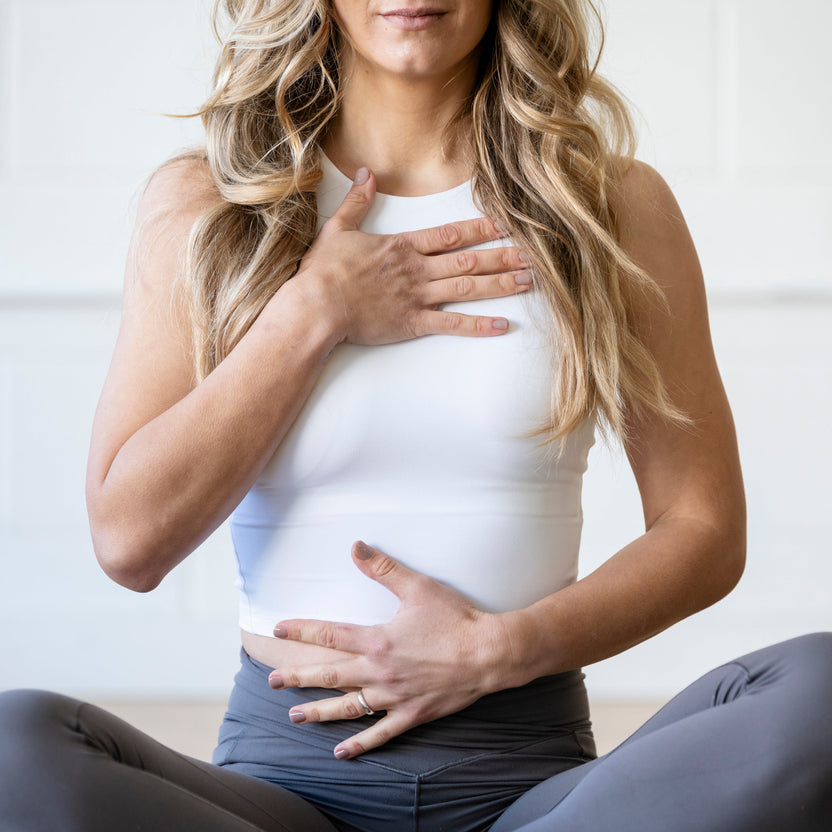
Addressing mental and emotional health is just as critical in experiencing menopause. Cognitive Behavioral Therapy delivers helpful techniques for managing mood swings and concerns during this time. Mindfulness techniques and stress reduction methods can additionally enhance psychological well-being, helping females manage with hormonal shifts. Engaging in therapy for pelvic health can also enhance sexual wellness and improve intimacy, while looking at over-the-counter products like moisturizers may ease discomfort related to genitourinary conditions. Together, these support alternatives empower females to flourish through menopause with confidence and guidance.
Daily Living Changes and Sustained Wellness
Implementing considerate lifestyle changes is crucial for females navigating menopause. Incorporating regular exercise activity, especially resistance training, can help maintain muscle muscle strength, bolster bone strength, and boost metabolism. Engaging in specific exercises not only enhances fitness but also is significant in psychological wellness, fighting feelings of fatigue and promoting overall energy. Additionally, diet changes, such as adopting a Mediterranean-style diet loaded with vegetables, fiber-rich foods, and good fats, can provide the necessary nutrients to help hormonal equilibrium and reduce symptoms related to menopause issues.
Mental health is just as important during this transition. Using relaxation and meditative techniques, such as yoga and contemplation, can greatly reduce nervousness and boost emotional stability. Cognitive Therapy has also been proven effective in treating mood changes and can equip women to form coping strategies tailored to their personal situations. Participating in social activities and maintaining transparent communication with medical professionals and support groups can also help women feel less isolated while dealing with their challenges.
Long-term wellness strategies should focus on preventive measures to boost living standards beyond menopause. Ladies should prioritize regular health assessments to check circulatory health, bone health, and potential hormonal imbalances. Collaborating with expert menopause practitioners can offer individualized support and help women to manage their health as they get older. Highlighting an active lifestyle, healthy eating, and mental backing can lay the groundwork for a lively and healthy future.